A Calmer Bedside: Waking and Winding Down Without the Phone

Tonight we focus on analog alarm clocks, timers, and light cues to replace smartphones at night, building a quiet routine that respects your body’s rhythms. Expect practical picks, human stories, and small experiments that trade notifications for gentler signals, reduce blue light, and create reliable wake-ups. By dialing down stimulation and simplifying tools, you can fall asleep faster, wake more refreshed, and keep your attention where it belongs—on rest, not endless scrolling or late-night pings.

Why Nighttime Simplicity Helps You Sleep

When the bedroom loses its glowing feed and buzzing alerts, the brain finally receives consistent cues that it is safe to power down. Screens amplify cortisol and delay melatonin, while single-purpose tools keep cognition quiet. This swap isn’t about nostalgia; it is about predictable inputs and kinder timing. Replace variable color temperatures, endless decisions, and social triggers with steady lights, tactile controls, and mechanical certainty, and your nervous system finds the calm edge where sleep arrives naturally.

Blue Light, Cortisol, and the Midnight Second Wind

Late-night screens brighten eyes and minds, nudging cortisol upward and suppressing melatonin just when your body hopes to drift. A dim room with warm light avoids that unhelpful boost, guiding you past the notorious “second wind.” Analog clocks and passive displays prevent the reflex to check messages, reducing stimulation and decision fatigue. With fewer artificial signals, circadian timing regains clarity, encouraging smoother transitions and more consolidated deep sleep across the night.

Cognitive Overload vs. Gentle, Single-Purpose Tools

Every notification invites micro-decisions that keep attention aroused. Single-purpose devices reduce that load. A dial you turn by feel, a button that only snoozes, a timer that simply rings—these are tiny kindnesses to your sleepy brain. They create predictable boundaries, the opposite of infinite feeds and surprise alerts. When your senses receive fewer complex options, wind-down becomes repeatable, comforting, and fast. Habit builds quickly because you do not negotiate with bottomless choices at the edge of sleep.

The 3 a.m. Clock-Check Trap and How Analog Dials Help

Digital minutes can spike anxiety at 3 a.m., inviting math about remaining sleep and tomorrow’s demands. An analog dial gives a softer impression of time, reducing rumination loops. You see approximate progress rather than precise, provocative numbers. Paired with a dim, warm nightlight, the face is readable without flooding your retinas. That subtlety matters: fewer numbers, calmer thoughts, faster return to rest. The tool becomes a cue for reassurance rather than a trigger for spiraling calculations.

Silent Sweep or Classic Tick

Some people find a faint tick comforting, like a metronome for breath. Others hear only distraction. Silent sweep movements glide the second hand with minimal sound, ideal for sensitive sleepers and shared bedrooms. Test before committing if possible, or buy from retailers with easy returns. Remember placement matters; a few inches from your head amplifies noise. Prioritize your actual room experience, not specs alone, and pick a clock whose presence disappears into calm until the moment it needs attention.

Reliability: Battery, Wind-Up, and Power Cuts

A battery-powered analog alarm holds time and rings when the grid fails, while wind-up models offer ritual and independence from disposables. If you live where storms interrupt power, resilience matters. Check alarm strength and duration, and whether the bell escalates without startling you out of deep sleep. Keep fresh batteries or winding habits part of your weekly routine. Reliability isn’t glamorous, but it is the backbone of confidence that lets the phone charge in another room overnight.

Timers That Shape Your Evening Ritual

Mechanical timers create boundaries that screens resist. Set fifteen minutes for messages in the hallway, then leave the phone to charge. Use a kitchen timer for reading or stretches so you can close your book without obsessing over chapters or endlessly refreshing. Sand timers add a meditative quality. By outsourcing decision endpoints to simple cues, you conserve discipline and consistency. Night after night, the ritual holds because a neutral device, not willpower, says when it is time to wind down.

The Wind-Down Bell That Ends Screen Time

Put your charger outside the bedroom and bring a small timer instead. Start a short countdown to finish messages, then stop. The bell is a firm but friendly boundary that replaces intention with action. Over days, you will notice less mental residue from conversations lingering in bed. The device makes closure audible, cueing your brain to shift states. It is a teachable moment for focus, and the kind that beautifully respects tired minds and restores attention for tomorrow.

Pomodoro at Night Without the Laptop

You can borrow the Pomodoro idea—structured sprints and breaks—without screens. Set a twenty-minute timer for light chores or journaling, followed by five minutes of breathing or gentle mobility. Repeat once if needed. The rhythm complements melatonin’s rise, avoiding adrenaline spikes. Because the timer stands apart from work devices, you end cleanly and step toward bed. Consistency beats intensity; a modest routine performed nightly calms racing thoughts, organizes your next day, and lowers the friction that used to pull you back online.

Family Routines: Kids, Homework, and Lights-Out Signals

Timers help families agree on transitions without negotiating every evening. A soft bell signals homework wrap-up, teeth brushing, or quiet reading before lights out. The device becomes the rule, not the parent, removing friction and bargaining. Choose cheerful tones rather than jarring buzzers for younger children. Pair with a small reward for staying within the flow—maybe a bedtime story or gratitude round. Over time, the household learns the rhythm, and nighttime drama shrinks to predictable, manageable moments anchored by shared cues.

Light Cues That Speak Your Body’s Language

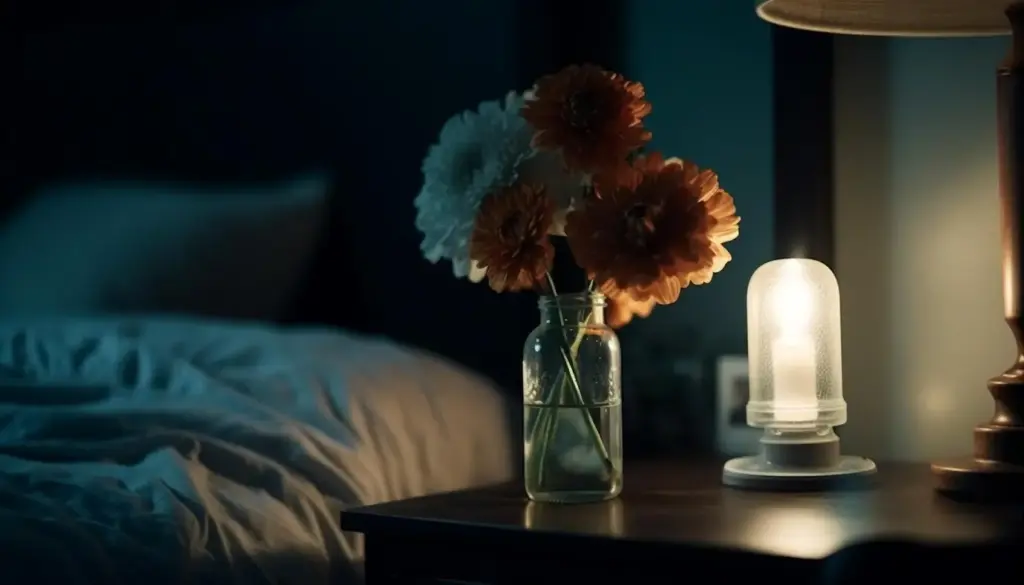
Warm, low light tells your biology that darkness—and melatonin—should take the stage. Aim for amber or red nightlights, dimmed bedside lamps, and dawn simulators that slowly brighten before the alarm rings. These cues gently shift circadian timing without jolts. Avoid cool, blue-heavy bulbs near bedtime. Simple analog dimmers beat app dependence, and battery lights protect against outages. Think in gradients: darker over the evening, a whisper of glow for midnight navigation, then a gradual morning bloom that coaxes wakefulness kindly.

Designing a Phone-Free Nightstand

If the phone is within reach, habit wins. Move charging to another room, and curate a nightstand that supports rest: analog clock, small timer, warm lamp, pen, and notepad for thoughts that would otherwise send you online. Keep water nearby and clutter minimal so late-night fumbles do not wake you fully. The change is spatial and psychological: everything within arm’s length whispers sleep. With the right layout, you stop negotiating and simply live inside a space arranged for calm.

Real-World Stories and Micro-Experiments

A reader swapped her phone for a wind-up clock and an amber nightlight for two weeks; sleep latency dropped by ten minutes, and early-morning scrolling disappeared. Another used a kitchen timer to cap late messages, reporting calmer mornings and fewer headaches. Try your own micro-experiment: seven nights, consistent bedtimes, and a quick log of wakefulness and energy. Share results with friends or in a journal. Small, friendly measurements turn intention into evidence and keep motivation alive when schedules wobble.

Start Tonight: A Simple, Sustainable Plan

Begin with one decisive change: move your charger out of the bedroom and place an analog alarm on the nightstand. Add a mechanical timer to end evening messages and a warm light for reading. Keep notes on how long you take to fall asleep and how mornings feel. After three nights, adjust volumes and brightness. After a week, share your experience with a friend or in the comments, ask questions, and subscribe for more practical experiments that protect your nights.
Nizuponizepaxa
Privacy Overview

This website uses cookies so that we can provide you with the best user experience possible. Cookie information is stored in your browser and performs functions such as recognising you when you return to our website and helping our team to understand which sections of the website you find most interesting and useful.